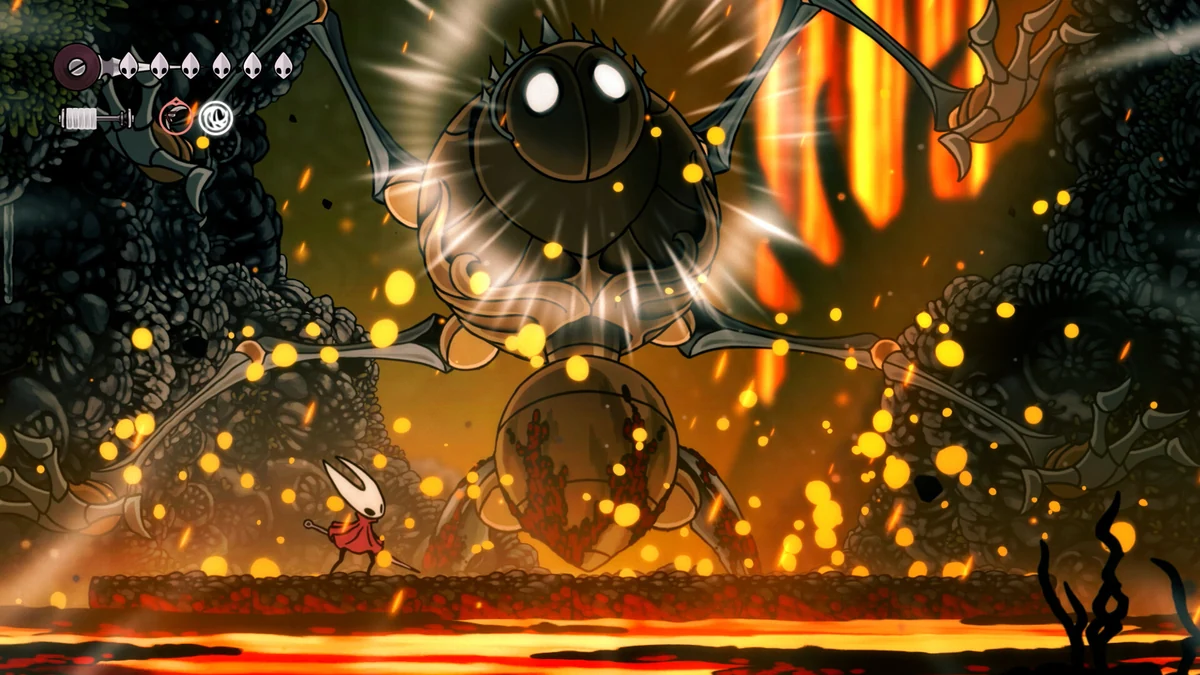
When a critically acclaimed indie title like Hollow Knight drops, the community expects a strong value proposition. At $20, Silksong fits that expectation perfectly. But outside of the player base, the pricing structure has attracted a different kind of scrutiny.
A Steam pricing analyst recently voiced a strong opinion regarding the launch price of the highly anticipated title. The analyst, speaking on the state of indie pricing, found the $20 cost of Silksong 'annoying' and explicitly wished the developers had priced it higher. The sentiment quickly spread across social media and specialized gaming news outlets.
This criticism isn't about whether the game is a bargain for the consumer. It’s a critique of the wider industry economics. The analyst's perspective highlights a growing concern within the developer community: the immense pressure to keep entry prices low in order to encourage sales volume and massive player adoption.
Indie studios are often resource-constrained. While Silksong has the backing of Team Cherry, the price they set reflects a difficult market where profitability is often tied to reaching a critical mass of buyers quickly. The analyst suggests that while low prices serve players, they also squeeze the margins of the creators, making it harder for studios to fund future projects or manage the high costs associated with modern game production.
This discussion moves beyond the game itself and into the business realities of niche, highly-regarded software. It raises the question: at what point does the drive for accessibility become detrimental to the financial health of the creators? For players, $20 is a steal; for some industry observers, it's a worrying sign of market saturation and price deflation.
Loading…