
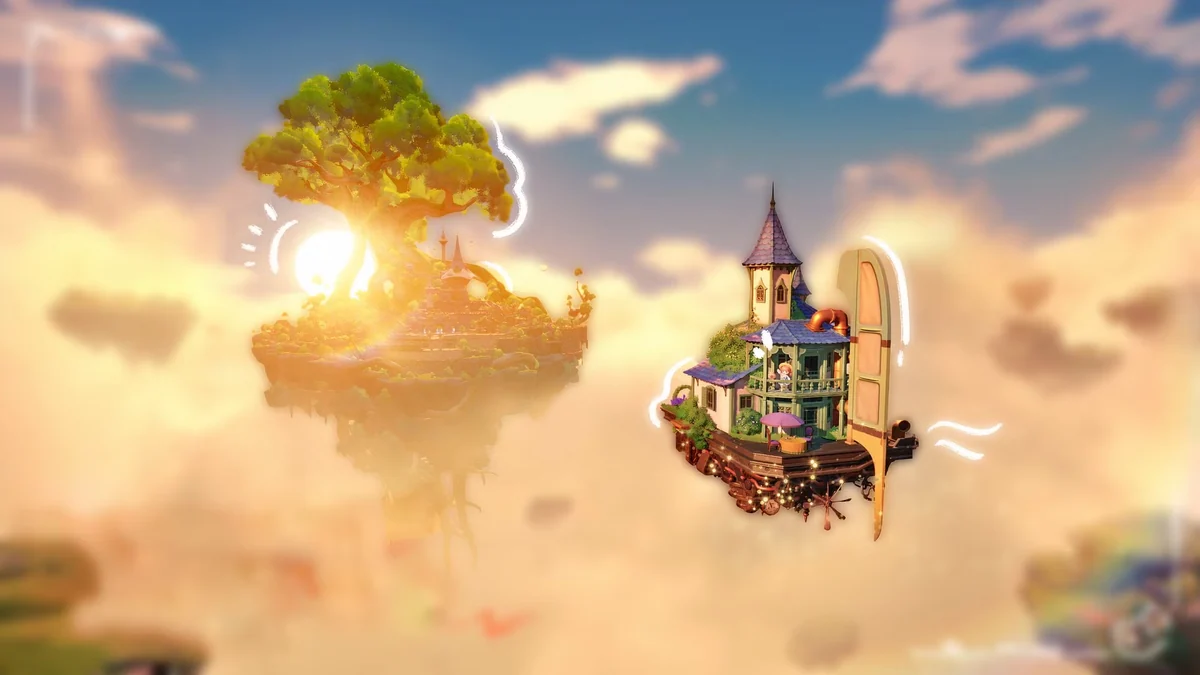
November is usually the busiest month on the games calendar. This year it's also an execution date. Game Rant has rounded up three open-world games whose servers are being switched off permanently in November 2026, and the operative word is permanently — once the plug is pulled, the worlds don't fall back to a single-player mode. Hundreds of players, possibly thousands, lose the thing they paid for.
The full list is in Game Rant's report. The common thread is structural rather than genre: these are big, expensive worlds built to be lived in online, which means the world itself was rented, not owned.

They're not alone on the schedule. Zenith Nexus, a Steam MMO, goes dark on December 18, just ahead of the fifth anniversary of its original release. Atari is shutting down its VCS platform in February 2027, promising to help users keep playing afterward — a sentence that sounds generous until you remember the hardware will still be sitting under someone's TV.
What makes open-world games uniquely bad at dying is that they're the most expensive things to keep running and the hardest to preserve. A server costs money every month; a map that took years to build doesn't. When a publisher decides the maths no longer works, there's no fallback, because the fallback was never funded. Compare that to the studios that shipped private server tools or an offline mode before walking away — those games survive their own obituary.
Players get the worst of it. No refund window covers a shutdown three years after purchase, and no storefront is going to knock on your door to apologise. You bought a licence with an undisclosed expiry date, and the expiry date just got announced.
The practical advice is boring and it works: before you spend money on the next always-online open world, check whether it has an offline mode and whether the publisher has a track record of keeping servers alive. If the answer is no and no, you're not buying a game. You're buying a countdown.

Loading…