
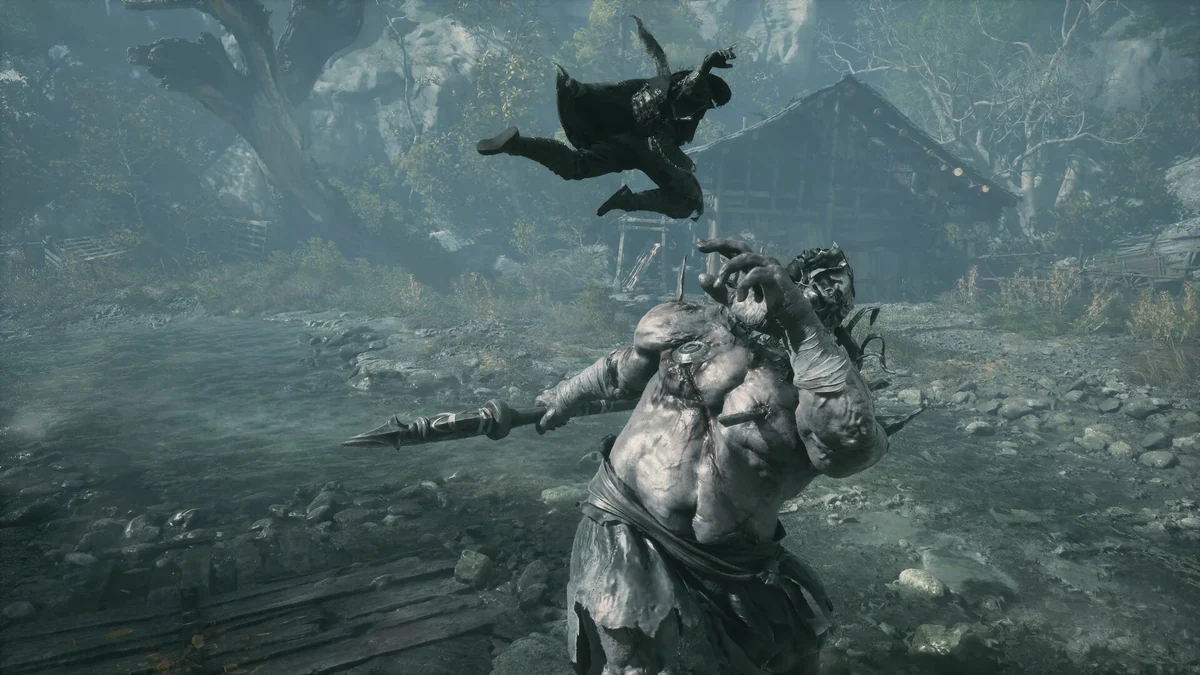
SteamDB charts shared on 30 October showed 701,888 people in Phantom Blade Zero at one moment and a 24-hour peak of 723,876. A later Steam Web API reading put the current count at 391,398. The gap is normal for a global launch moving through different time zones, but the peak is not: more than 700,000 concurrent players is a mass-market event, not a niche curiosity.
That audience arrived for a game whose strongest reviews are about the thing players do every few seconds. Aggregated critic scores put Phantom Blade Zero at 90, with an overall score of 89. Reviewers consistently praise the combat and bosses; their complaints cluster around navigation, storytelling and technical polish. Steam users are warmer than mixed but cooler than the critics, at 79.63% positive from about 10,000 reviews. The gap points at polish, not at the core loop.
The argument IGN China made
The spark came from IGN China's review, written by Charles Young and scored 10/10. The review does not stop at combat. It argues that Western studios have been trapped by political correctness and an over-industrialised commercial logic, producing what it describes as factory-line games. It says Chinese developers should show what a high-quality, content-rich AAA game can look like.
That is a blunt claim, and it is not universally shared. A 10/10 is an outlier against the broader critic average, and the review's political framing is its own editorial position. But the argument landed because it arrived with a game attached. Phantom Blade Zero is not a manifesto. It is a fast, difficult wuxia action game with a clear combat identity. The review's politics are separable from the part players are actually praising.
The social-media argument
View this post on X
Pirat_Nation amplified that framing on X on 30 October. The post called the moment a humiliation for the Western games industry and argued that massive budgets, corporate decisions and political agenda have taken priority over what players want: fun gameplay. It finished with a line that reads like the thesis of the whole argument: "make a game that is fun to play, and people will play it."
The post did not create the player count, and a social-media post is not evidence on its own. What it did was put the numbers next to a familiar complaint. The numbers made the complaint hard to dismiss as nostalgia or console-war noise. A game can still draw an enormous audience by making the act of playing it feel good.
What the evidence supports
The strongest version of the story is not that every Western game is bad, or that one Chinese release has settled a cultural war. It is narrower and more uncomfortable for big publishers. Phantom Blade Zero shows that players will turn out for a focused action game with a distinctive world and a combat system reviewers cannot stop praising. The things that cost it points are the things that often get buried under large production budgets: navigation, narrative and technical finish.
That does not prove political messaging alone sinks a game. Plenty of Western releases with large budgets also post big Steam peaks and strong reviews. A launch-week concurrent record measures attention, not a permanent shift in taste. But it does expose the cost of getting the priorities backwards. If a studio spends years on positioning, branding and corporate box-ticking while the first hour of play feels ordinary, the audience notices.
The part that should worry Western AAA
The market response here is simple enough to be uncomfortable. Phantom Blade Zero did not win because it was Chinese, and it did not win because of a review score. It won because the combat is the reason people keep playing. The surrounding weaknesses are real, but they are not the reason 700,000 people showed up.
For Western publishers, the lesson is not to copy a wuxia game or chase a trend. It is to ask why a game with visible rough edges can generate this much excitement while safer, more expensive products struggle to make the same case. The answer is not a culture-war slogan. It is that fun is still the product.
The burden of proof has shifted. A big budget is no longer an argument. A recognisable franchise is no longer an argument. Players can see the difference between a game designed around play and a game designed around everything else. Phantom Blade Zero did not need to be perfect to make that point. It only needed to be worth playing.


Loading…