
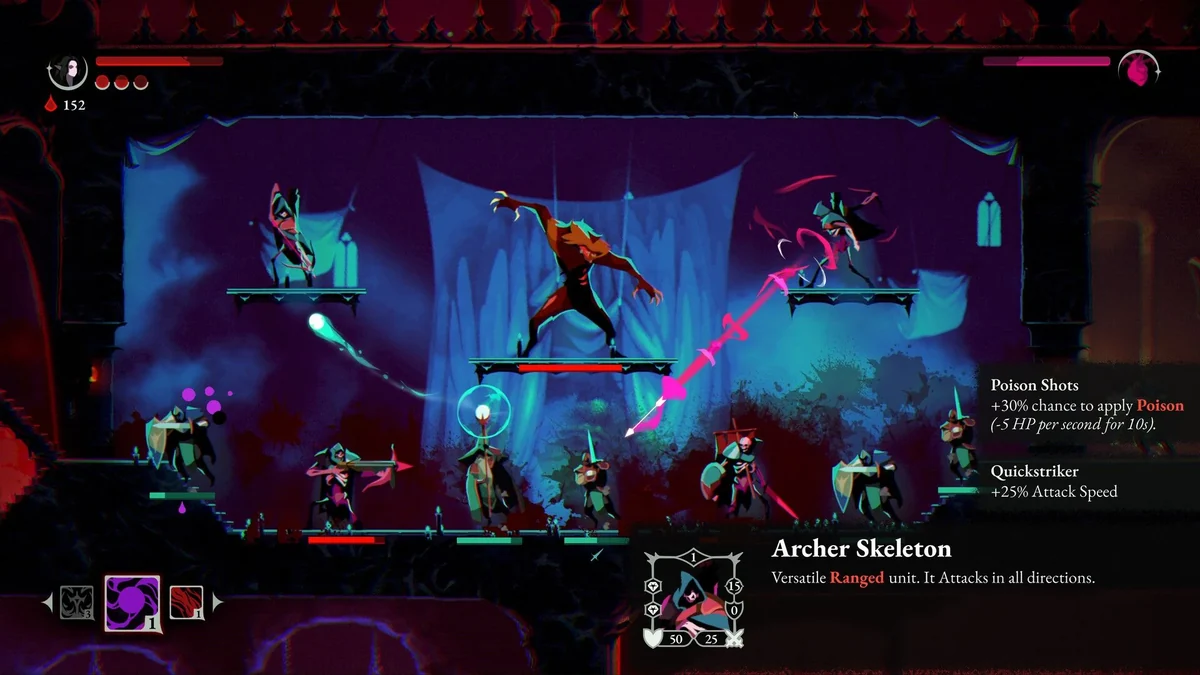
Moonlighter’s developer, Digital Sun, announced it is canceling its public playtest for its next game. The reason? A growing worry about AI clones.
This isn't about an AI stealing game code; it’s about the integrity of the playtest process itself. Digital Sun is concerned that powerful language models, specifically citing those similar to Claude, might 'clone' the unique feedback and interaction patterns that human players provide during testing.
For an independent developer, a public playtest is crucial. It's the moment they gather genuine player input—the things the internal team misses—to polish the game and ensure it hits its intended mark. If an AI model could replicate or even predict that feedback, it fundamentally changes the value of putting the game into the hands of real people.
By canceling the public phase, Digital Sun is essentially putting a guard around its creative process, insisting that human-to-human interaction remains the definitive barometer for a game's success. It’s an early example of a developer prioritizing authentic, messy human input over the efficiency of artificial intelligence in the development cycle.


Loading…